Ward Krancel
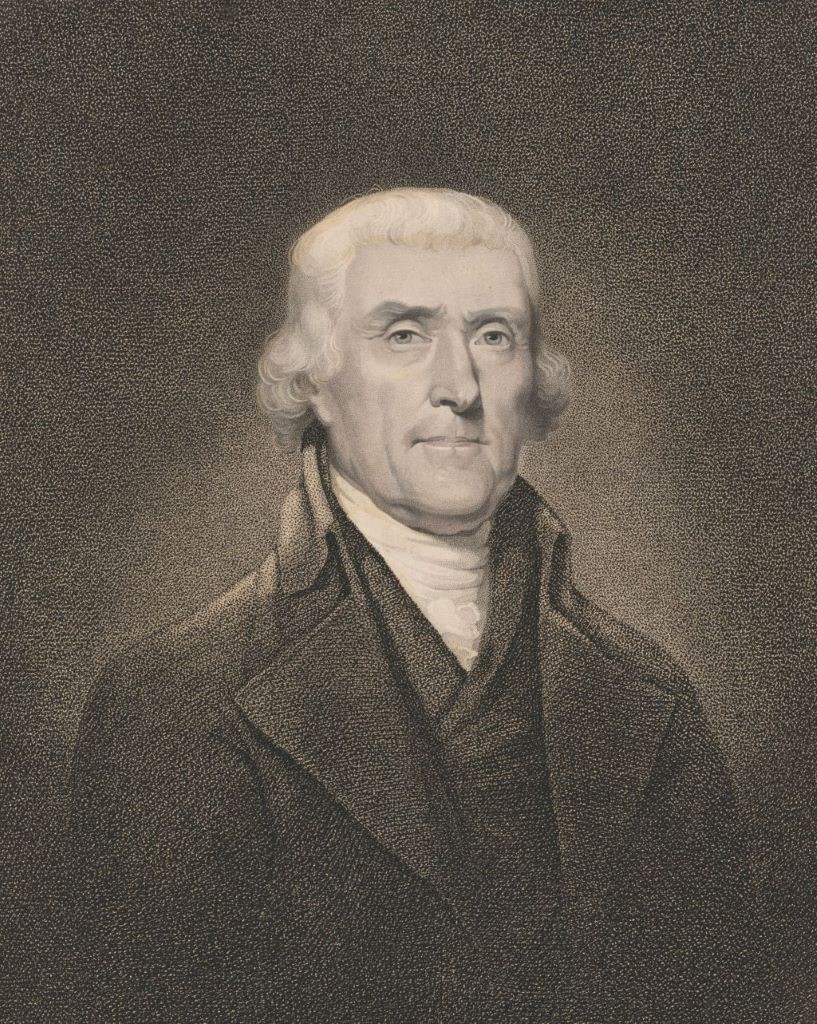
Tinkering in his Monticello workshop one day, recreating an experiment from Ben Franklin’s notebooks, Thomas Jefferson closes a circuit. Kablooey! In a shower of sparks, he’s transported to tenth‑century Iceland. The citizenry is as astonished by his entrance as he is, but aided by his extensive knowledge of languages, Jefferson soon has the situation in hand.
After recovering their composure, the Icelanders prove to be generous hosts, conversing with the stranger long into the night. Jefferson inquires about their local form of governance and is told all important decisions are made by a community council. Eager to share his expertise, the retired statesman begins a lengthy exposition on modern legal philosophy, finally ending with unalienable rights, those indivisible from a person.
The Icelanders are polite but perplexed. They have only one penalty for a serious infraction against their polity: banishment. Being forced to live in isolation on their already remote island would be punishing, but that’s not what banishment means to them, it means being stripped of your rights. Taking revenge on someone who is banished isn’t murder.
As dawn lightens the sky, Jefferson is still talking. Growing weary the Icelanders decide to test their guest’s line of reasoning, and they take him outside and chop off his head.
No, see? Severable.
Any Viking will tell you, rights aren’t inherent, derived from gods or nature. Rights come from the people, and the people can take them away.