Ward Krancel
The villa grew atop a low headland, an invasive weed, its seed carried in some bird’s gut and deposited on foreign soil. But day by day waves eroded the soft stone cliffs beneath the red‑tiled manor, the sea confident of victory over this intruder, though the assault might last a thousand years.
A ship disgorged its cargo, pushed and prodded onto the landing, people in chains, collapsing to the sand and huddling together in clumps. At dawn a line of this cargo approached the top of a long incline, the road away from town. Strung between horses ridden by men dressed in heavy cloaks and carrying swords, the cargo was nearly naked, tattered rags clinging to thin bodies.
When the procession crested the rise, the horses were allowed to rest. The cargo crept to the edge of the road, where there was a little standing water, drinking from the ditch and combing through grass for insects. In another hour they approached the villa’s gates, passed under the keystone, and entered their new cage. The riders transferred the ends of the chains, connecting them to stout poles at the side of the courtyard, the confined unable to sit.
Presently, two men approached, one of middle years but strong‑looking and one younger, dressed in a long robe. These two conversed with the riders then walked down the chained line, examining those standing between the poles, the older man occasionally saying a word or two to the younger one, who made notations in a small ledger. Returning to the riders, the houseman handed over a pouch to one of the guards before they remounted and rode off.
#
He’d ceased counting the days of his captivity, but springtime marked almost a year since a company of men from his village had gone south, answering their chieftain’s command. Captured in battle, most of his friends dead, a metal collar had been fitted to his neck, the hot rivet burning his skin. At first it seemed the survivors were being marched toward the sea, but the road turned back inland. Climbing a steep valley, they confronted a hill. At the bottom of a pit dug into its side, men toiled, dust and smoke rising up like visions from a fever dream.
He shoveled gravel, loading carts. When there were no carts to fill, he hammered rock. To break up the ore‑laden stone, prisoners piled wood against the cliff face, setting it alight. After the fire burned out, they used tree trunks to ram and beat the fractures into fragments, clawing out the rubble with bare hands. One day a piece of the hill broke loose and fell, a large boulder crushing a man’s foot, pinning him beneath it. They were made to leave him there. Sometime in the night, his screams ceased, but none of his exhausted companions noted its ending.
Perhaps a month ago, he’d been picked from a line, and with others, marched out of the pit and along a road ending at the sea. They were put in a boat, rowed to a ship, and chained in its bilge. After days of foul darkness, they landed, crawling up into blinding daylight.
In a cell at the back of a large compound, he’d been allowed to bathe and his hair and beard had been cut. Simple clothing and food had been provided, and though only a bowl of beans and vegetables, it was the first decent meal he’d eaten that year. He slept for a time before awakening to banging. The man who’d been in the yard that morning stood on the other side of the bars.
“Do you understand my words?”
He spoke the tongue of the West. “I understand.”
“You’re in good shape for someone come from the mines.” He didn’t feel in good shape. “When I look, I think I see a soldier. Will I be having any difficulty from you?” the man asked.
“Difficulty is the last thing you’ll be having from me,” he replied from his cell, imagining his hands around the man’s throat, that last difficulty.
The houseman took keys from his belt and unlocked the door. “Come with me.” They walked along a corridor letting onto the main yard. In dim evening light—he’d slept most of the day—they crossed to the largest structure and around the side to a door near the kitchens. A short hallway ended in an anteroom, a bench along one wall. “Wait here. You may sit while you wait.” He sat down and waited.
Dozing on the bench, he heard people talking somewhere nearby, muffled by walls. The man returned and nodded for him to follow. They entered another hallway where the voices were clearer, though he didn’t recognize their speech. “You’ll do as you’re told. Do you understand me?” He looked into the man’s eyes, cold and unwavering. He understood.
They walked through a curtained passage into a large room, brightly lit by hanging lamps. Men and women, richly dressed and bejeweled, reclined on couches, food and drink set before them on low tables. His escort retreated and a woman in a plain robe came to his side and began to work at opening his clothes. He pulled away but then remembered himself and held stock still as he was laid bare in front of the masters.
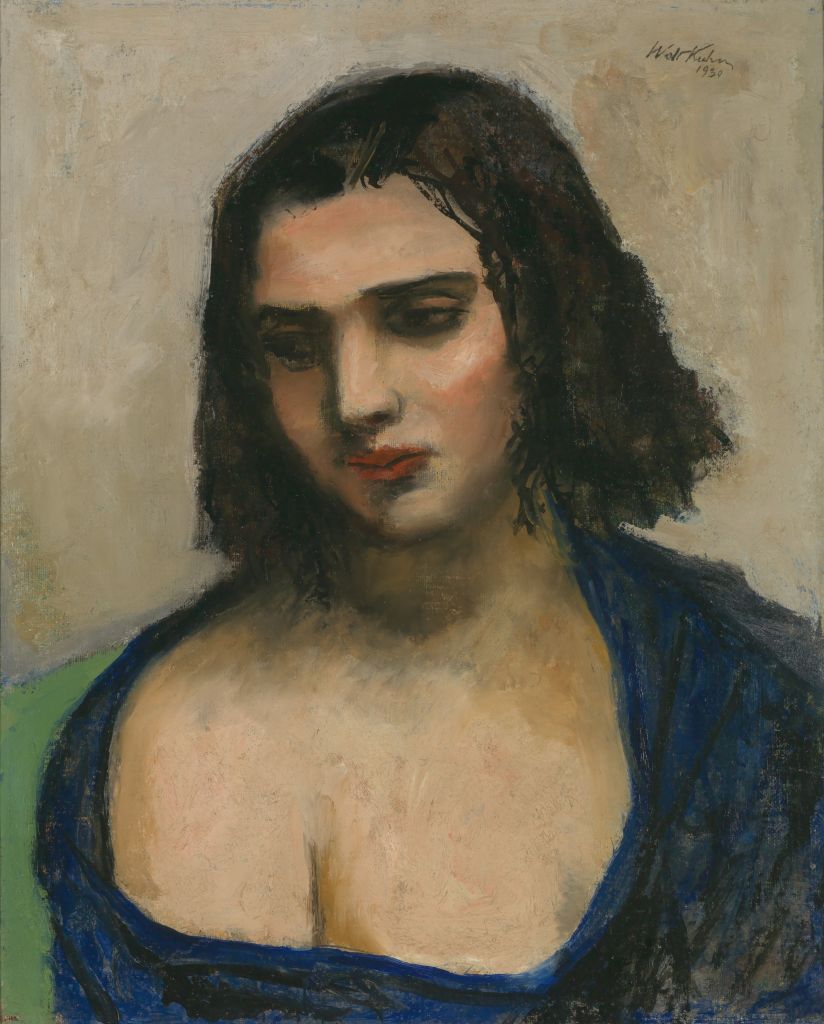
Standing motionless, staring straight ahead, a jostling noise came toward him. Dragged between two men, a young woman struggled but only weakly. He recognized her as one of those brought up from the harbor. She wore a tunic of simple cloth and like himself had been cleaned and her dark hair cut back. He thought she might be from one of the tribes of the eastern planes. Flowing from a broken lip, a trickle of blood ran down her chin, the skin dark around one half‑closed eye. She collapsed when the men tore away her garment.
Coming up from behind, his attendant said, “Take her, or the cleaning woman will be mad at me for all the blood.”
He stepped forward to where the naked girl huddled on the floor. Kneeling down, he grabbed her hair, raising her to her knees. But into her ear he whispered, “Forgive me, maiden, but I don’t want us to die tonight.” He wasn’t sure if she understood his words, nor if he could ready himself, but as the hall echoed with wild laughter, he raped her.
#
Laboring in nearby fields, he spent the summer tilling and planting. One day his minder asked if he had any special skills. Before war had come, he’d been a smith, so he didn’t go to the fields anymore but worked in the compound. He saw her occasionally, carrying a basket of laundry or filling water jugs, but they were only close a few times, and no words passed between them.
Familiar sounds—rakes in the barn, buckets in the latrine—heralding daybreak, a clamor arose outside the gates. They were opened, and horsemen charged into the courtyard, milling in an agitated knot. The master of the house appeared, one of the cohort dismounted, and they exchanged heated words. Hammer and tongs in hand, he watched from his place at the anvil.
At midday meal, a boy he’d befriended sat beside him. After looking around to see who might be listening, the boy asked, “Have you heard?”
“I saw riders, but that’s all.”
“They say there’s fighting in the north. They say it’s getting closer.” The boy worked in the house and had good ears.
The following day, armored and provisioned, a troupe of men rode away from the villa. At week’s end they were told to stop all work. Furnishings and caskets were brought out of the main house. Livestock moved along the road outside the gates, herded toward the seaport. That evening men from the workshops were locked in a room together, only bread to eat. Roused at first light, they were told to make ready to leave within the hour.
Struggling to position a wagon, he heard shouts erupt from across the yard. Flames licked up from the edge of the kitchen roof. Whether the fire was accidental or purposely set, he didn’t know, but in the commotion he slipped out the back of the stables. Reaching the wall nearest the cliffs, where a locked door let onto a path down to the narrow beach, he removed a small bundle from his pocket. After a minute he rewrapped his tools but didn’t exit.
He observed the rites for the sake of others but had no belief himself. If he did have a philosophy, it was that all things will eventually balance, whether you like it or not. The reckoning isn’t always exact, and some may escape for a time, but in his experience an ill deed usually came back to its maker.
Hoping those fighting the fire were too occupied to notice, he hurried past. Crouching beside some bales as though binding them, he watched people rush in and out of the house. The young woman with dark hair appeared, carrying a box with rope handles, leaning back to counter its weight. He reached for her elbow and she looked down, panic in her eyes but then surprise.
“Will you come with me, maiden, or will you stay with these slavers?”
He couldn’t read her face, but she set down the box. “You know I’m no maiden. My name is Sifka.”
Proceeding along the wall, they reached the unlocked door. Thick smoke blew across the yard, the kitchen fully engulfed in flames, embers alighting on the roof of the great manor. Several skiffs, used to provide the household with fish, were pulled up on the sand. Luckily, there’d been no time to remove them, and they dragged one to the water’s edge. As she scrambled into the bow, he handed her a satchel—a few days’ food he’d been able to secret away as well as some extra clothing. Sail hoisted they gained the promontory, behind them a black column climbing high into the sky.
That night in a pebbly cove, they rested but lit no fire. When fresh water ran out, they abandoned the skiff and began hiking inland, hiding from men on horseback. One day they encountered people pushing livestock down a cart path. He and the girl were hungry and thirsty, and coming down from brush above the road, he called out, waving an arm.
The shepherds took them in, fed them, and gave them news. A pact had been made between the scattered tribes, and it was holding. A leader had arisen who could fight, and greatly outnumbered, the foreigners were fleeing. For today at least, they were free.
The young woman decided to stay until she could find her way home. He wished to continue inland to see what was left of his people. When they parted, he again asked her forgiveness.
“Perhaps I owe you my life, though there were times I didn’t want it. What blessings I have, I give you freely.”
No warmth shown in her eyes, but she spoke with dignity. It was enough.